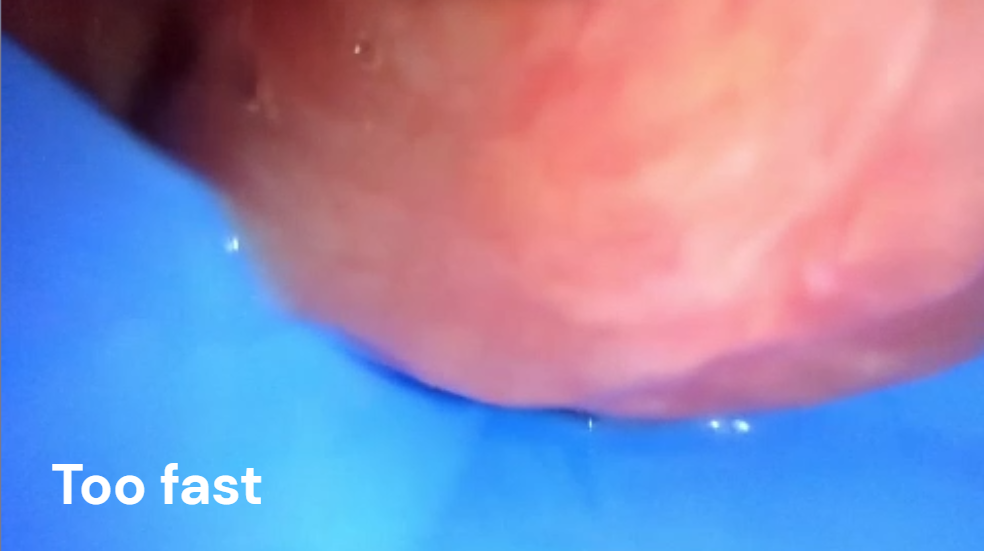
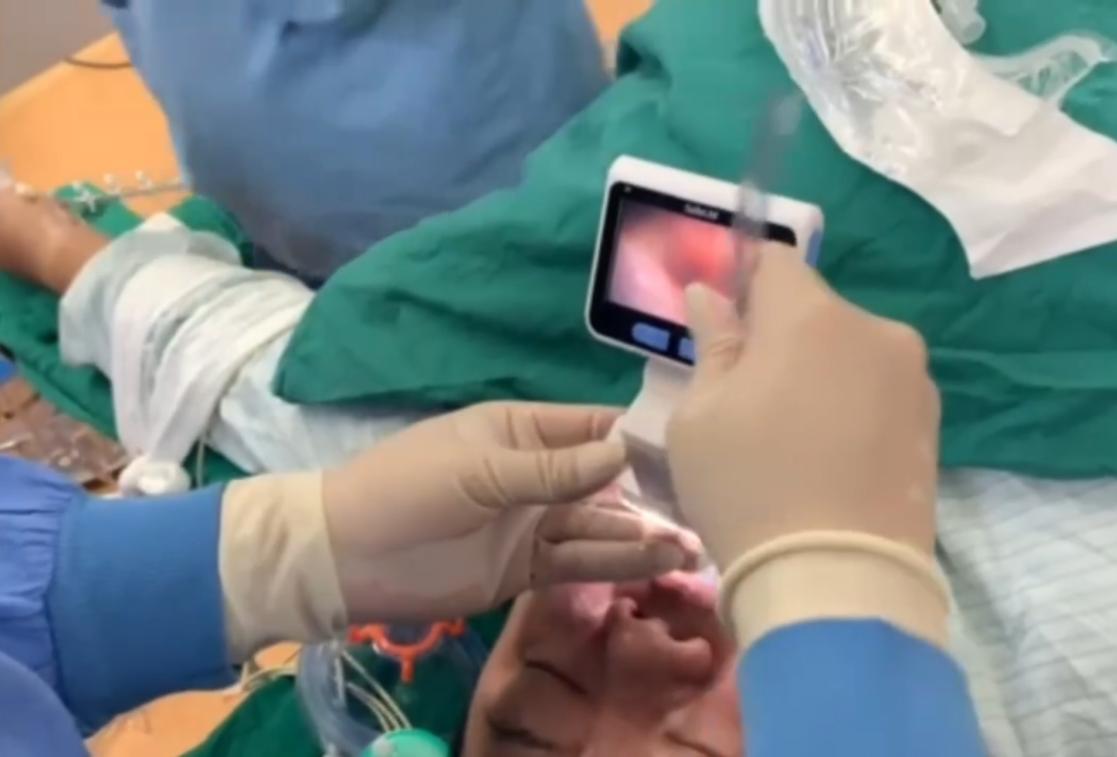
• Live Case 1 - Speed vs Visualization

    It is common for operators using SafeLM for the first time to insert the mask too quickly, which can make visualization of the key structures difficult. In this case, the operator slid past the epiglottis into the esophagus without adjusting the camera handle, thereby missing a clear view of the glottis. After withdrawing the mask and adjusting the camera angle, they were able to clearly see the vocal cords and sure that the mask was seated correctly.
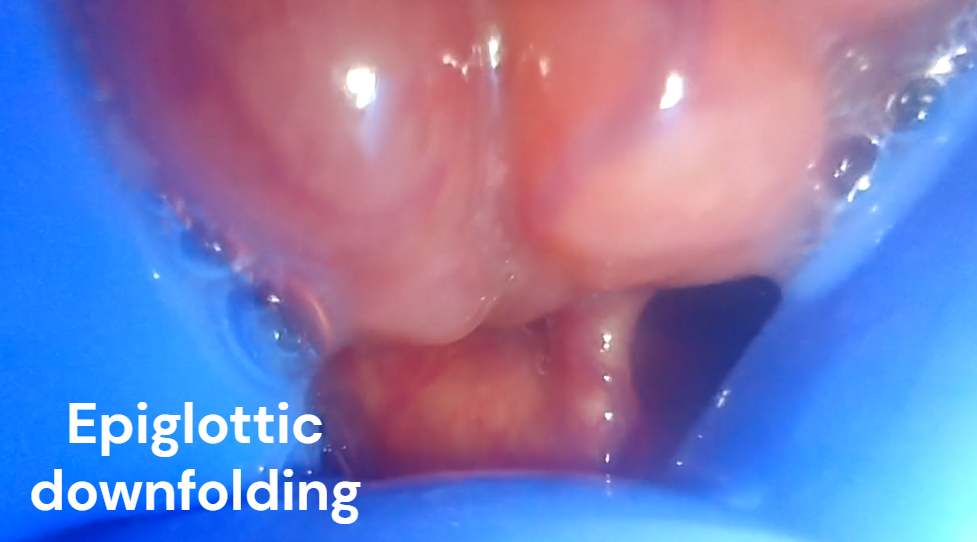
  • Live Case 2 - Epiglottic Downfolding

    Epiglottic downfolding is a common occurrence in SGA insertion. Without video guidance, the operator cannot be confident that they have successfully passed the epiglottis, relying on the feel of resistance to gauge position. With real-time video confirming the presence of a downfolded epiglottis, several maneuvers can be attempted. Firstly, a jaw thrust can open the airway to allow the cuff to slide in. Secondly, withdraw the mask until the epiglottis flips back up, then re-insert at a posterior angle. Thirdly, the mask can be fully deflated and straightened (after removal) to more closely resemble a blade, making it easier to slide behind the epiglottis and assume correct positioning.
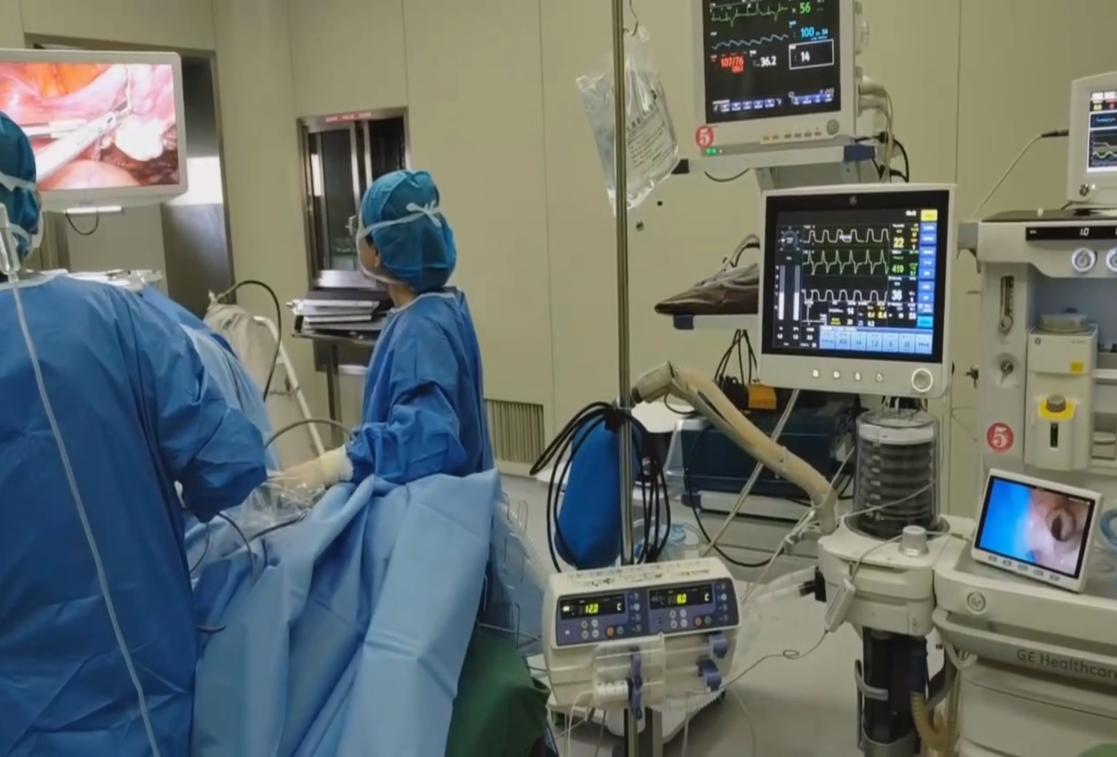
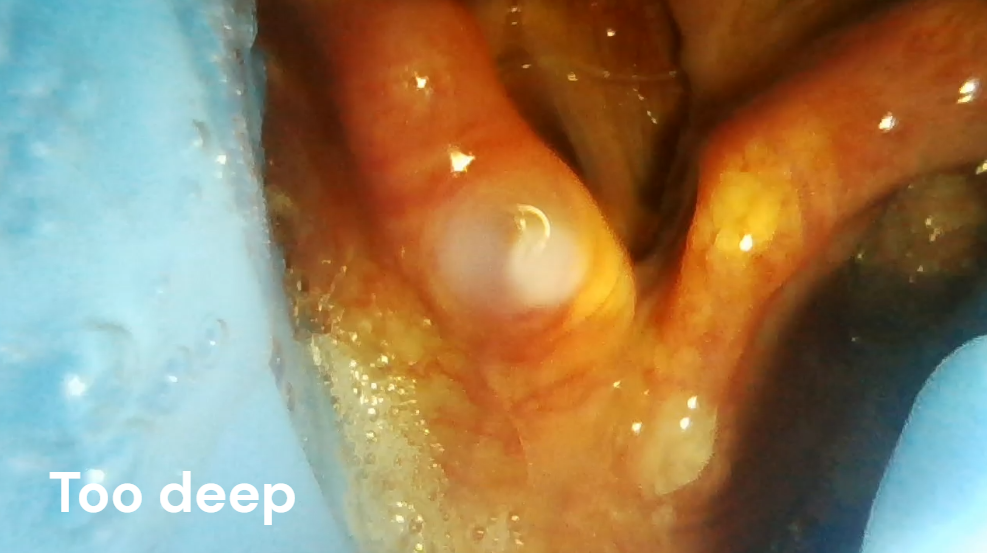
  • Live Case 3 - Incorrect Placement

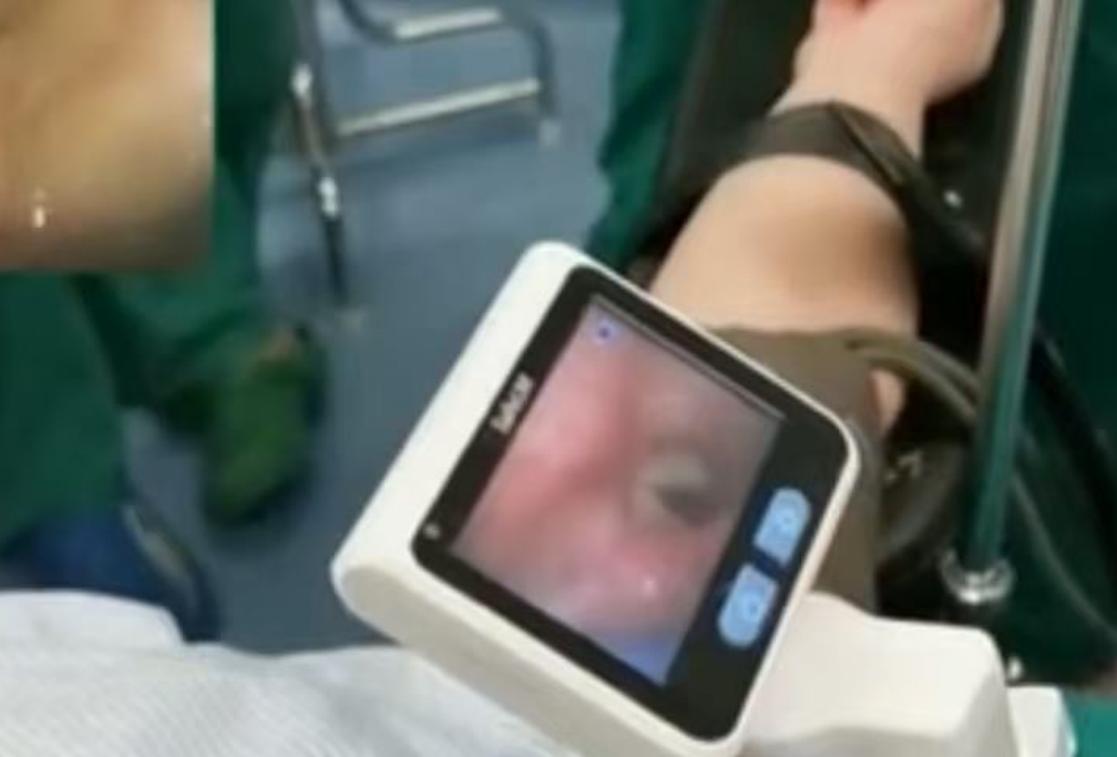
    In this video we can clearly see that the cuff is placed too deep, allowing room for air to leak. The cuff should hug the inferior border of the arytenoid, hence the operator should withdraw the mask upwards until it is seated tightly around the arytenoids.

    SafeLM auto-records videos once turned on and facilitates a simple download to your device, supporting training reviews and supporting medico-legal documentation.

x

Phone:+86-731-85585005 | Email:support@magillmed.com | Add:Room 101-201, Bldg 1, No.41 Yannong Road, Hi-Tech Development Zone Changsha, 410205 Hunan P. R. China

Copyright © 2026 Magill Medical Technonlogy

Friendship links